
The Long-Term Value of Commercial Asphalt Maintenance
Every commercial property relies heavily on a durable exterior to welcome visitors and support daily logistics. Commercial parking lots and access roads endure continuous punishment from heavy traffic, extreme temperatures, and chemical spills. Without regular attention, minor surface imperfections expand into severe liabilities that disrupt operations and compromise safety. Forward-thinking property managers recognize that routine pavement preservation delivers significant financial advantages over time. Engaging experienced asphalt contractors early in the life of a commercial surface ensures that minor wear never turns into an expensive structural failure.
According to Straights Research, the worldwide asphalt industry stood at $248.56 million in 2024 and is projected to climb to $396.49 million by 2033. This substantial global expansion highlights the massive volume of pavement infrastructure requiring constant care, optimization, and restorative treatment. When commercial property owners neglect ongoing upkeep, moisture penetrates beneath the surface, weakening the foundation and shortening functional pavement life. Proactive maintenance protects structural integrity, prevents premature deterioration, and keeps commercial facilities looking pristine throughout every season.
Protection Against Structural Degradation and Moisture Damage
Water represents the single most destructive element threatening commercial pavement networks across the globe. Rainwater enters microscopic surface cracks, gradually washing away the underlying base material and compromising stability. As subbase materials shift under relentless vehicle weight, small fissures transform into extensive alligator cracking networks. Reputable asphalt contractors seal these surface voids before moisture can infiltrate the subbase and cause systemic damage. Timely crack sealing preserves pavement strength, stops subbase erosion, and averts complete foundation collapse.
Sealcoating serves as an impenetrable defensive shield that guards asphalt against oxidation, ultraviolet degradation, and chemical spills. Sun exposure bleaches asphalt binder, causing the pavement to become brittle, faded, and susceptible to stress fractures. Petroleum leaks from delivery vehicles also dissolve vital binders, creating soft spots and surface depressions. By scheduling preventative sealcoating every three to five years, facility directors effectively safeguard their initial paving investment. Trusted asphalt contractors supply high-grade sealant emulsions that lock out harmful elements and keep pavement flexible.
Effective drainage management represents another vital component in shielding commercial pavements from destructive standing water. Poor slope design, clogged drainage basins, and sunken grade areas frequently cause water to pool on the asphalt surface. Standing water softens the asphalt matrix, accelerating the formation of hazardous potholes and base subsidence. Experienced asphalt contractors evaluate overall site grading and clear catch basins to maintain proper runoff channels. Proper water diversion safeguards the foundation and keeps traffic corridors functioning smoothly throughout prolonged storms.
Mitigation of Costly Safety Hazards and Legal Liabilities
Commercial property owners bear a legal duty of care to provide safe access for customers, vendors, and employees. Deep potholes, shifting asphalt edges, and sudden elevation changes present significant trip hazards that lead to costly personal injury claims. In addition to pedestrian slip-and-fall incidents, uneven surfaces damage customer vehicle rims, tires, and suspension systems. Professional asphalt contractors resolve dangerous grade variations through targeted patching and infrared surface restoration before accidents occur. Maintaining smooth driving surfaces protects visitors from harm and shields businesses from catastrophic liability lawsuits.
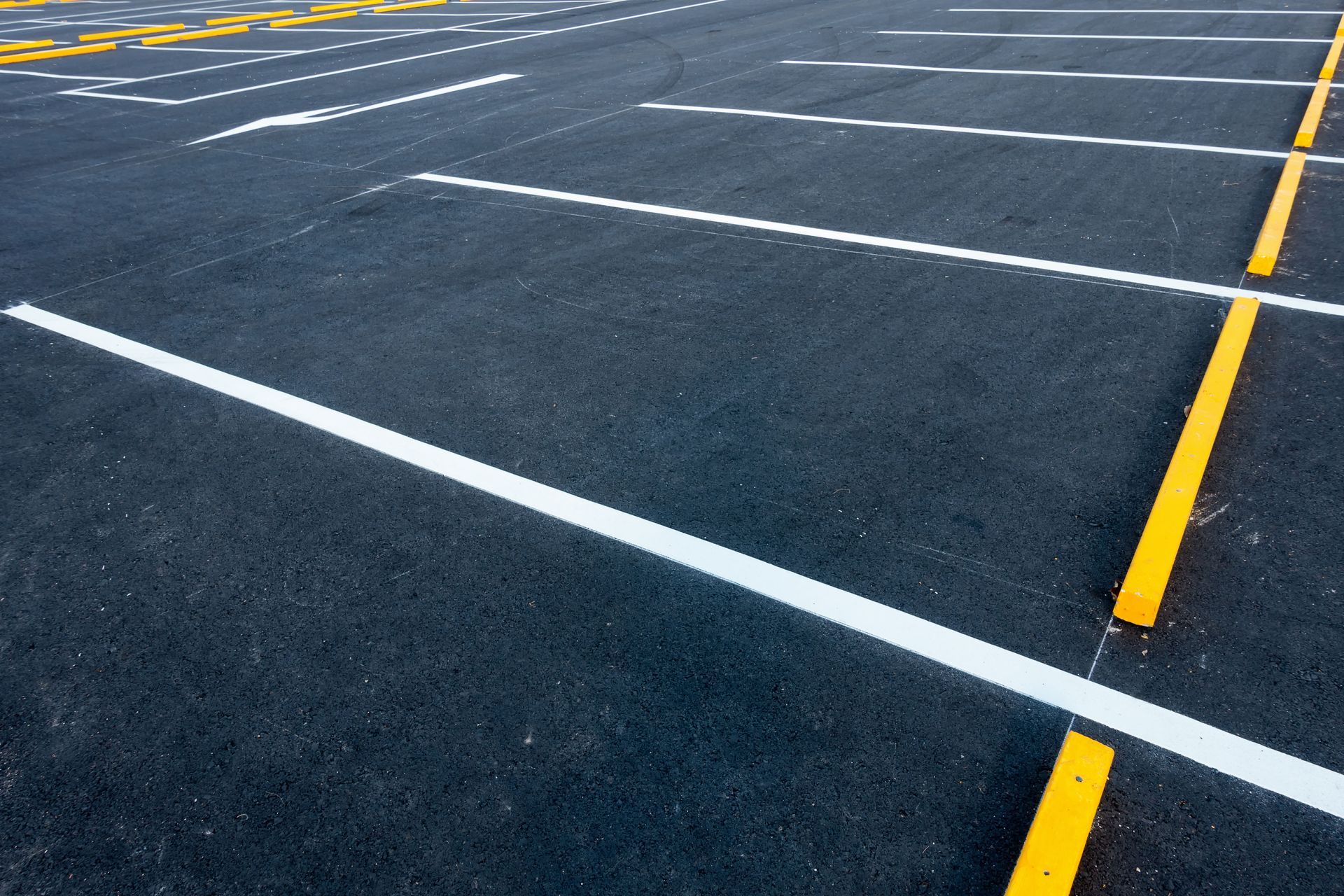
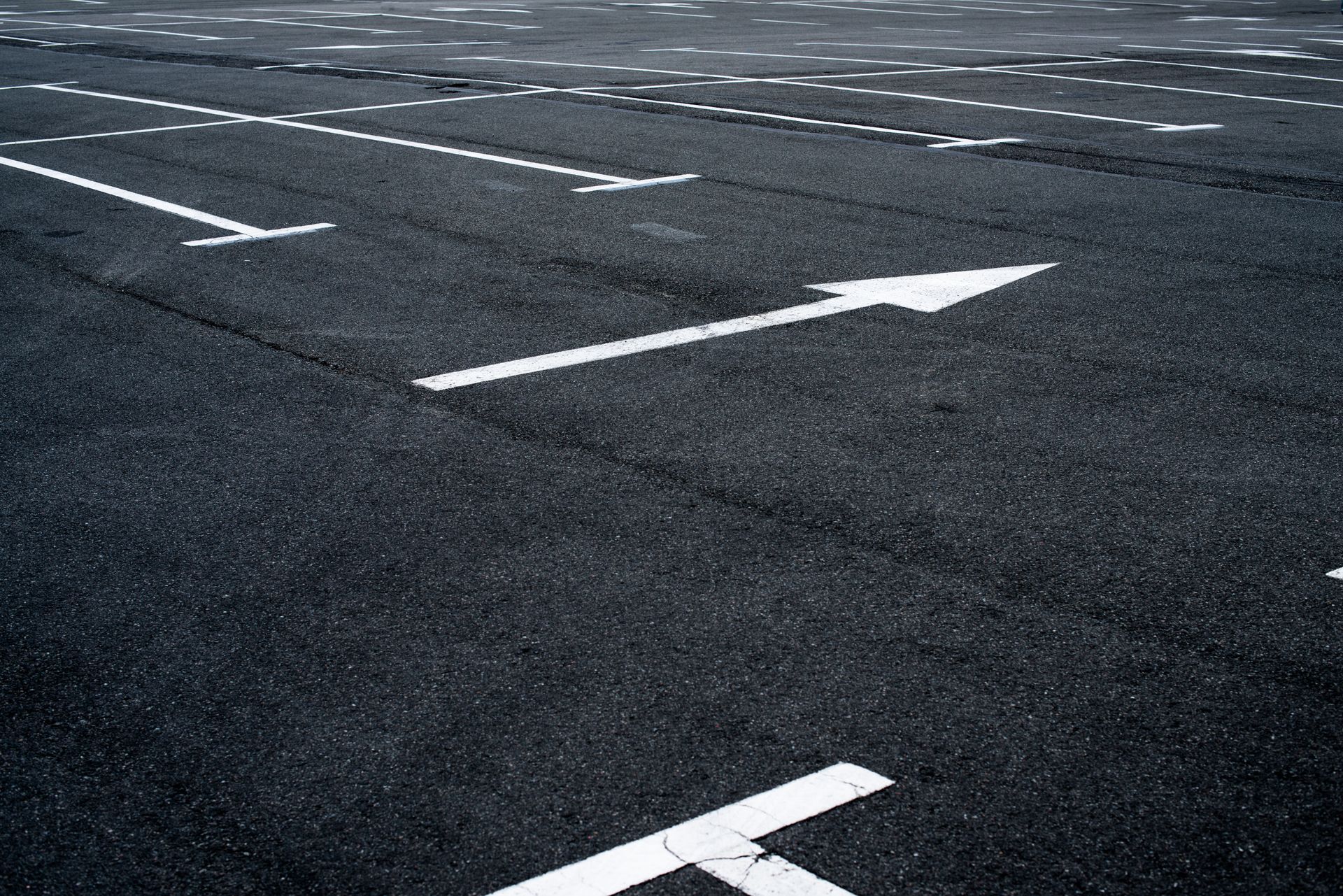
Adequate parking lot navigation depends heavily on vibrant, compliant striping and regulatory pavement markings. Faded parking stall lines cause chaotic traffic circulation, blocked pedestrian walkways, and frequent parking lot collisions. Commercial facilities must also adhere to stringent accessibility regulations, including dedicated spaces and accessible access aisles. Qualified asphalt contractors re-stripe parking stalls and repaint international accessibility symbols to ensure ongoing regulatory compliance. Clear directional signage and visible stall dividers streamline vehicular movement and foster an orderly commercial environment.
Emergency vehicle access constitutes another critical compliance priority that property managers must regularly verify. Fire lanes and loading zones require unmistakable red curb striping and precise directional stenciling to facilitate unobstructed access. If municipal inspectors discover faded emergency lane markings, facility owners often face administrative fines and operational penalties. Engaging skilled paving specialists guarantees that all required emergency corridors and loading spaces comply with municipal safety ordinances. Proactive compliance inspections eliminate regulatory scrutiny and ensure seamless emergency access during unexpected crises.
Enhancement of Commercial Curb Appeal and Brand Reputation
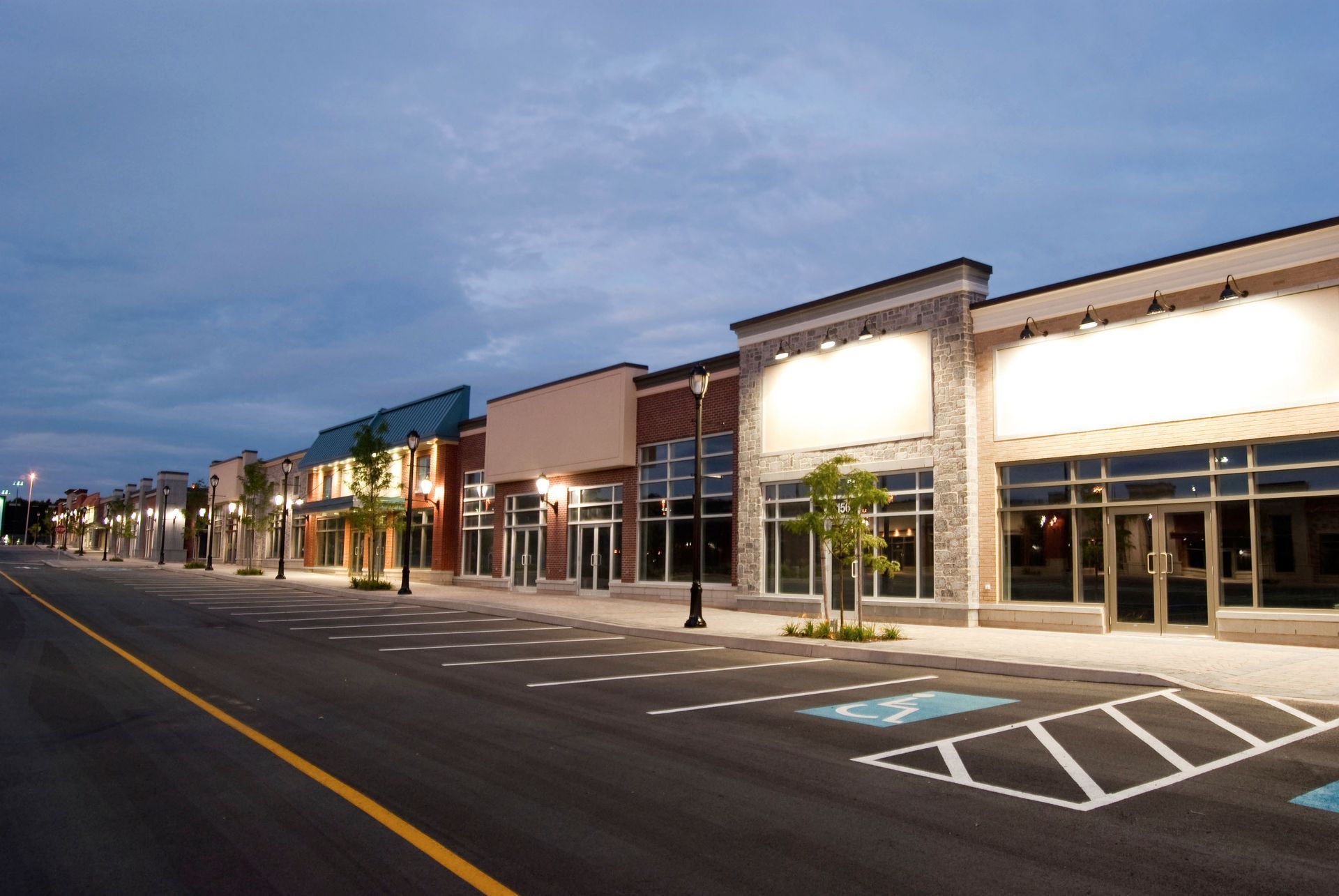
First impressions substantially influence how prospective customers, tenants, and business partners evaluate a commercial enterprise. A crumbling, cracked, and faded parking lot signals neglect, deterring potential clientele and lowering the perceived quality of on-site businesses. Conversely, a jet-black asphalt surface with crisp striping conveys an image of professionalism, attentiveness, and operational excellence. Commercial property owners who prioritize exterior presentation attract higher-quality tenants who pay premium lease rates. Well-maintained asphalt infrastructure immediately reinforces a positive corporate image across every customer interaction.
Tenant satisfaction and retention remain closely linked to the functional condition of shared commercial infrastructure. Office park tenants, retail business owners, and warehouse operators depend upon dependable access roads for daily workflows. When delivery trucks and clients encounter frustrating potholes, commercial tenants face unneeded operational obstacles and express growing dissatisfaction. Proactive facility directors work closely with asphalt contractors to schedule quiet off-peak maintenance that prevents tenant disruption. Investing in smooth exterior pathways fosters enduring tenant loyalty and reduces vacancy rates across commercial developments.
Neighborhood retail plazas and office centers also compete aggressively against modern developments for daily foot traffic and consumer patronage. Clean pavement provides a visually striking foundation that highlights manicured landscaping and modern building architecture. Customers feel safer navigating well-lit, smooth parking facilities with distinct parking bays and unobstructed driving aisles. Commercial property leaders who invest in recurring surface upkeep establish their properties as preferred retail and office destinations. Consistent curb appeal drives recurring foot traffic, strengthens local brand prestige, and maximizes commercial competitiveness.
Maximization of Financial Capital and Return on Investment
Implementing a recurring maintenance plan represents the most financially sensible approach to managing commercial infrastructure assets. Complete pavement reconstruction costs significantly more per square foot than regular crack sealing, sealcoating, and minor surface patching combined. Delaying essential maintenance allows minor superficial blemishes to evolve into catastrophic structural defects requiring comprehensive excavation and rebuilding. Facility managers who execute systematic preventative maintenance preserve structural health and avoid premature pavement overhauls. Prudent capital allocation balances ongoing preventative expenditures against the exorbitant costs of premature reconstruction.
Detailed maintenance histories also bolster property valuations whenever owners choose to refinance, lease, or sell commercial real estate. Commercial real estate appraisers, institutional lenders, and prospective investors scrutinize physical asset conditions during exhaustive property condition assessments. A dilapidated parking lot inevitably triggers significant repair escrow demands or substantial price reductions during contract negotiations. Documenting years of dedicated care demonstrates superior property stewardship and justifies premium capitalization rates during transactions. Routine pavement maintenance protects enterprise equity and delivers exceptional dividends at every stage of the property lifecycle.
Comprehensive asphalt stewardship demands an enduring operational partnership built on trust, specialized knowledge, and exceptional execution. Delegating surface upkeep to dedicated
asphalt contractors ensures that every square foot of pavement receives thorough assessment, preventative care, and timely repair. Routine crack filling, surface sealcoating, vibrant restriping, and strategic drainage adjustments preserve pavement integrity while elevating professional curb appeal. By prioritizing proactive surface preservation today, commercial property owners shield their investments from costly liabilities and secure unmatched structural longevity.
At Alto Construction, we deliver premier commercial paving solutions designed to protect your valuable physical assets and maximize long-term infrastructure performance. Our dedicated team evaluates your property needs to implement customized, cost-effective maintenance schedules that keep your driving surfaces safe and visually captivating. Contact us today to schedule your comprehensive on-site pavement evaluation and experience the lasting value of our craftsmanship.

Share On: