
How Parking Lot Paving Services Support Better Function and Long-Term Performance
Parking lots are a vital component of modern commercial and suburban infrastructure, dictating both the operational capability and initial visual impression of a property. Achieving the ideal balance of structural durability, traffic safety, and aesthetic appeal requires a strategic approach to design and asset management. Property owners often look for ways to maximize their infrastructure investments while minimizing disruptive, unexpected repair overhead.
This article explores the multifaceted benefits of professional parking lot paving services and how these specialized solutions contribute to improved function and long-term performance. From enhancing safety and accessibility to ensuring structural resilience against environmental stress, quality parking lot paving services go far beyond mere surface appearance. Relying on expert engineering and modern application techniques ensures that a commercial lot remains a safe, attractive, and highly durable asset for businesses and communities alike.
The Foundation of Durable Parking Lots
Importance of Quality Materials
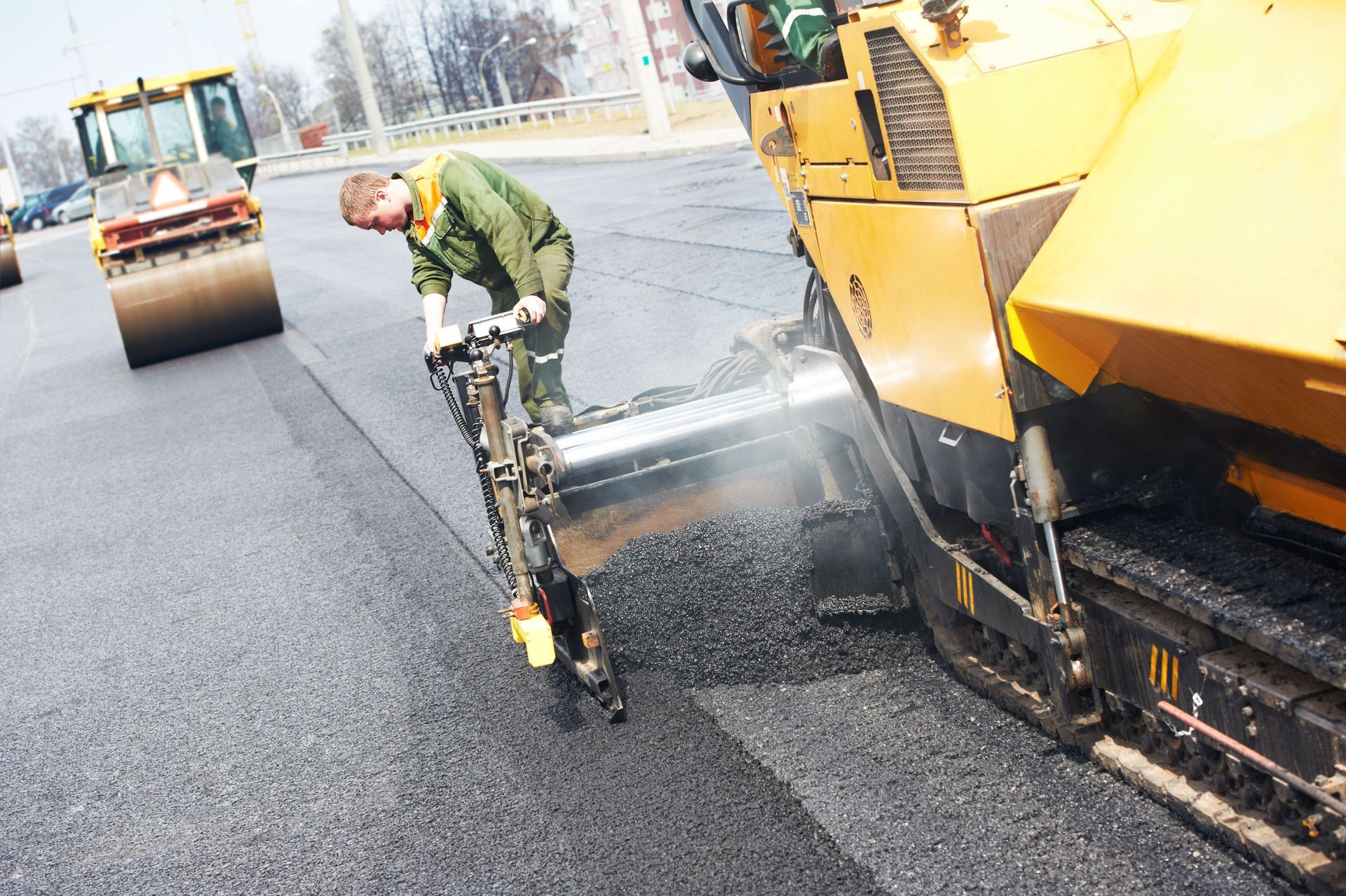
In the asphalt and concrete industries, material selection forms the absolute foundation for lasting performance. Commercial asphalt is highly favored due to its inherent resilience, flexibility, and cost-effectiveness. According to This Old House, asphalt paving can endure weather that raises its surface temperature to 150 degrees Fahrenheit. This impressive thermal tolerance allows the material to resist rutting and buckling during intense summer heatwaves. High-quality mixtures withstand extreme weather conditions while reducing long-term maintenance needs, ensuring an extended operational life.
Furthermore, premium asphalt offers excellent structural flexibility. Unlike rigid alternatives, asphalt deforms slightly under load and temperature swings without immediately fracturing. This flexibility is critical in regions subject to severe freeze-thaw cycles. By mitigating early cracking risks, top-tier asphalt mixes prolong pavement lifespan and lower repair frequencies. Selecting materials attuned to environmental challenges delivers substantial lifecycle cost savings for property owners.
Additionally, durability and sustainability are closely linked. Utilizing recycled asphalt pavement (RAP) in modern mixtures promotes environmental responsibility and lowers the overall carbon footprint of the project. Choosing recyclable materials ensures that future lifecycle impacts remain minimal, serving both functional and ecological goals simultaneously.
Base Layer Construction
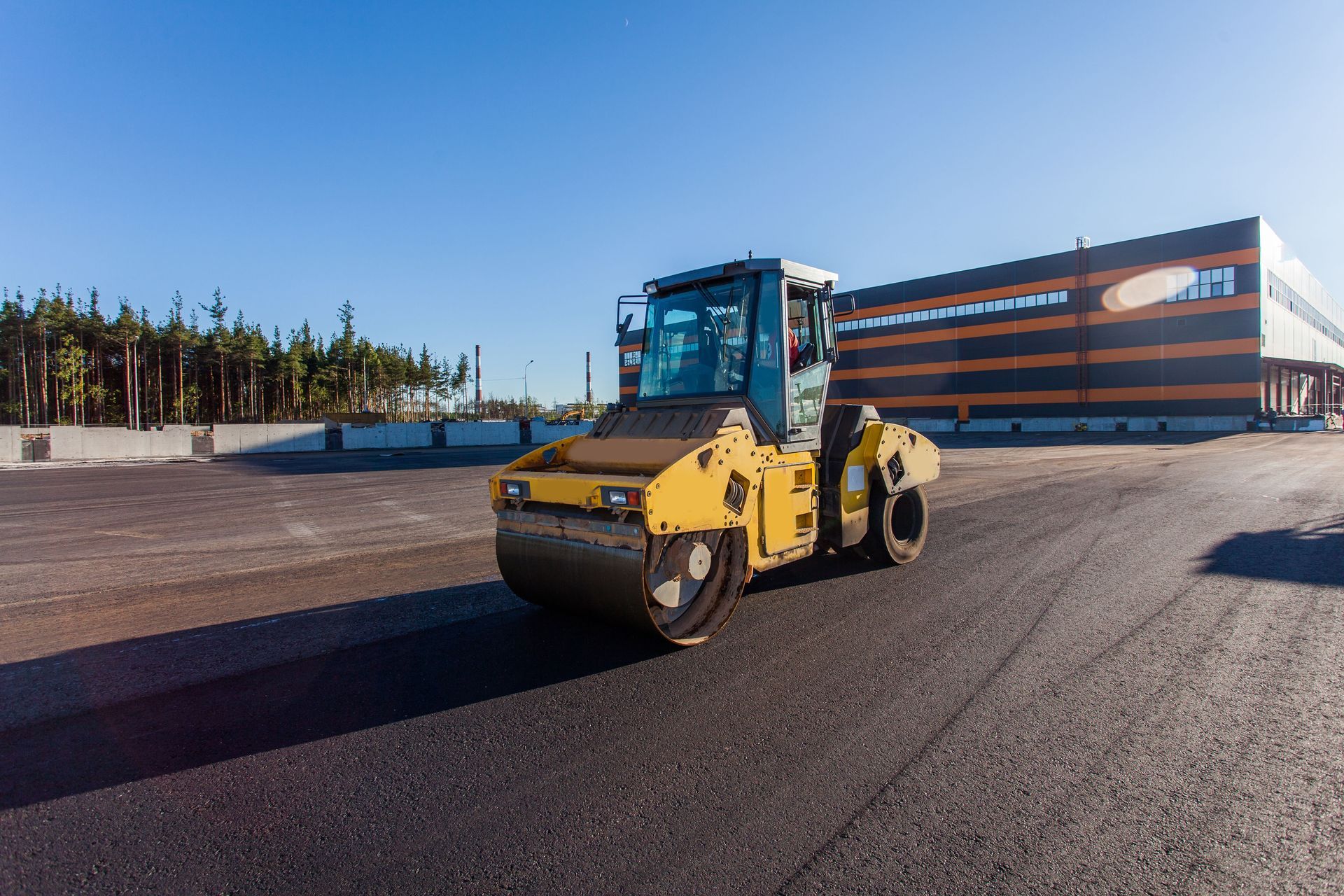
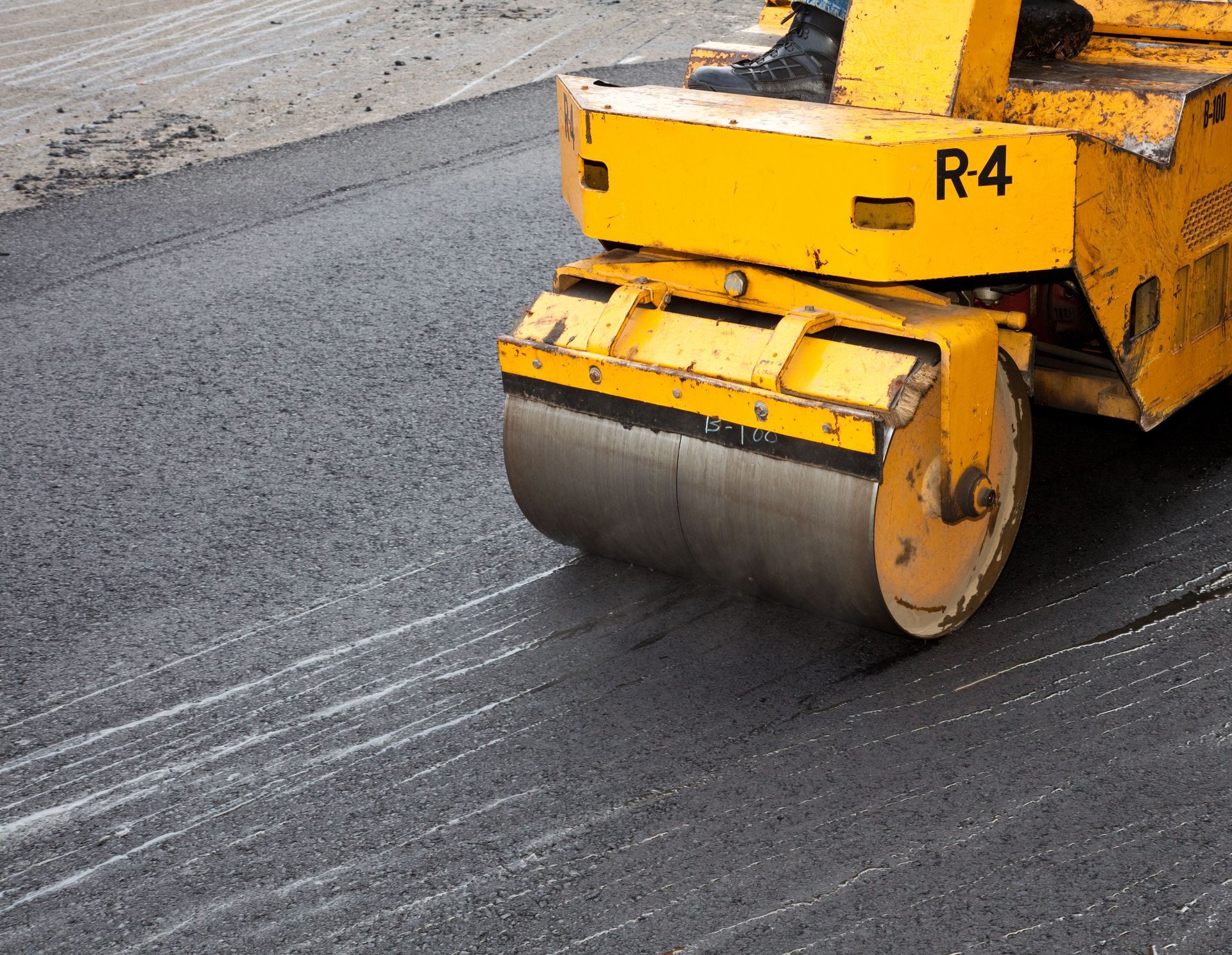
The construction of the base layer is a critical consideration in major parking lot paving services, serving as the load-bearing foundation of the parking lot. A strong sub-base is essential for supporting upper pavement layers and distributing heavy vehicular weight evenly. Without a correctly installed base, an asphalt surface is highly susceptible to structural failures like shifting, deep sinking, and premature alligator cracking. Techniques such as rigorous soil compaction and the precise application of graded aggregate materials help establish a robust, immovable foundation.
Effective base construction requires advanced engineering and geological planning. Teams must carefully evaluate soil type, moisture levels, and expected traffic loads. Proper evaluation of these distinct factors facilitates a tailored approach, maximizing sub-base stability. Technological advancements now enable more accurate site grading and compaction testing. Implementing these field innovations ensures base construction meets rigid engineering standards, preventing localized shifting.
The longevity of the base layer directly dictates future maintenance needs. A compromised base leads to severe surface deformities like deep potholes, necessitating extensive structural excavation. Investing in superior base construction secures physical stability and limits emergency capital expenditures down the road, lowering the asset's total lifecycle cost.
Surface Layer Considerations
The surface layer of a parking lot serves as the primary interface between vehicles and the pavement. Typically composed of fine-aggregate asphalt, this layer is engineered for optimal wear resistance and tire grip. Specialized aggregate mixes can be applied to enhance traction, mitigating slip hazards for vehicles and pedestrians. Because the top layer absorbs the direct stress of vehicular traffic, high-quality materials are mandatory to resist continuous friction.
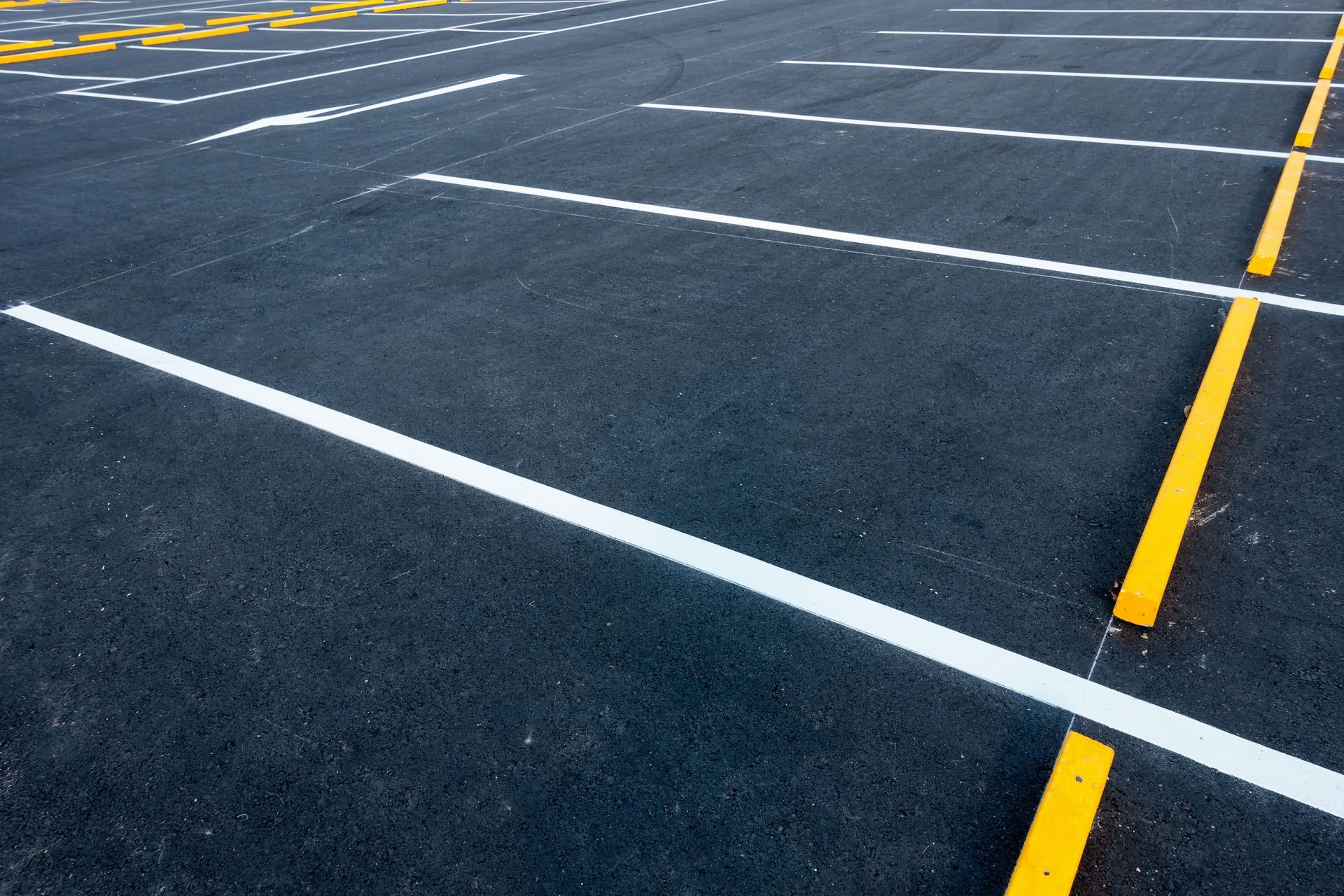
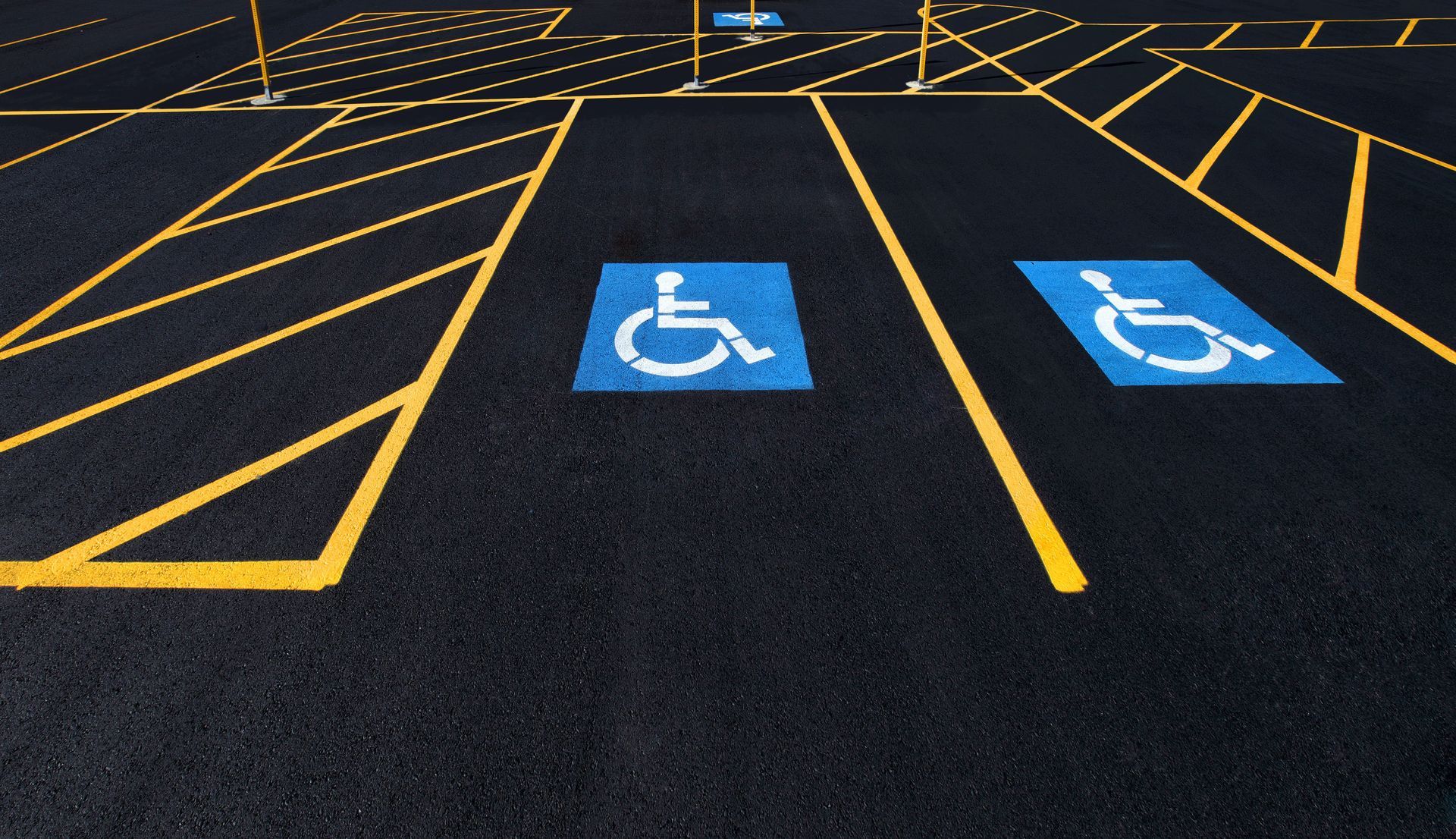
Surface aesthetics also play a pivotal role in a commercial property's overall presentation. Well-maintained, deep-black surfaces project professionalism and careful attention to detail. Therefore, balancing raw functionality with visual appeal is crucial. Line paints and safety markings must adhere perfectly to this surface layer, which requires clean, smooth, non-porous conditions.
Regular inspections are essential to uphold the surface layer's condition over time. Weather and traffic create consistent wear, demanding a proactive maintenance strategy. Filling minor surface cracks before they expand is part of an effective preventative approach. Routine surface care keeps the top layer resilient, blocking water penetration and maintaining a smooth driving experience.
Engineering for Longevity and Compliance
Drainage Solutions
Efficient drainage solutions are critical in preventing severe water damage to commercial asphalt. Poor drainage leads to standing water, which penetrates porous surfaces and accelerates structural deterioration. Proper parking lot paving services design drainage systems channel water away from the pavement quickly, safeguarding the underlying layers. These networks typically incorporate calculated surface slopes, catch basins, and underground drain tiles to redirect heavy runoff.
Designing effective drainage requires a thorough understanding of site-specific conditions, including local rainfall patterns and soil permeability. Custom engineering solutions ensure that excess stormwater is managed appropriately without flooding adjacent properties. Engineers frequently utilize computer modeling to simulate water flow on proposed layouts, optimizing catch basin placement.
Regular maintenance of these drainage systems is essential to keep them running smoothly. Blocked or damaged catch basins exacerbate water pooling, leading to localized sub-base weakening. Routine inspections and cleanings ensure system reliability, while modern permeable pavement options can be integrated to allow natural water infiltration, preserving the surrounding pavement's integrity.
Environmental Adaptability
Adaptability to local environmental conditions is a crucial aspect of modern parking lot design. Diverse climates present unique regional challenges that require specialized asphalt binders and application methods. In areas marked by extreme temperature swings, utilizing professional parking lot paving services ensures that the chosen materials expand and contract without fracturing. Climate-responsive engineering guarantees that the parking lot remains completely functional across all seasons.
Local environmental regulations can also heavily influence design choices. Certain jurisdictions mandate sustainable management practices, such as incorporating bioswales or utilizing high-albedo materials to reduce urban heat island effects. Integrating these eco-friendly considerations into the initial engineering phase ensures full regulatory compliance while enhancing the long-term sustainability of the property.
Furthermore, advanced thermal analysis allows engineers to select specialized asphalt binders optimized for specific climate zones. Incorporating natural shade elements and landscape features can also assist in cooling the pavement surface. Designing with environmental adaptability in mind ensures long-term usability and drastically minimizes climate-related maintenance costs. Optimizing the performance, safety, and longevity of a commercial parking lot requires a proactive approach centered around quality materials, precise engineering, and routine asset preservation. From initial sub-base compaction to strategic drainage implementation and regular sealcoating, every phase of pavement management impacts the bottom line. Property owners who invest in comprehensive parking lot paving services effectively minimize emergency repair costs, reduce liability risks, and maintain an attractive, welcoming environment for their visitors.
Optimizing the performance, safety, and longevity of a commercial parking lot requires a proactive approach centered around quality materials, precise engineering, and routine asset preservation. From initial sub-base compaction to strategic drainage implementation and regular sealcoating, every phase of pavement management directly impacts your property's bottom line and long-term value. Property owners who invest in comprehensive maintenance plans effectively minimize emergency repair costs, reduce liability risks, and maintain a highly attractive, welcoming environment for their visitors.
Partnering with experienced professionals ensures that your asphalt infrastructure receives the precise care required to withstand heavy traffic and severe weather conditions. A well-executed paving strategy acts as a protective shield for your real estate asset, turning a standard utility space into a durable, highly functional environment. For premier commercial concrete, site development, and comprehensive parking lot paving services that deliver lasting structural excellence, turn to the trusted expertise of Alto Construction.

Share On: