
How Commercial Paving Can Help Improve Property Value
A commercial property's value depends on more than its building, location, and interior features. The condition of its parking lots, driveways, access roads, and walkways can also influence how potential buyers, tenants, customers, and visitors perceive the property. Damaged pavement, faded markings, potholes, and uneven surfaces may create a poor first impression, while well-maintained paved areas can make a property look professional, accessible, and ready for business. Investing in commercial paving is one way property owners can improve the appearance and functionality of their outdoor spaces while protecting their long-term investment.
Quality paving can also help reduce maintenance concerns, improve traffic flow, and create a safer environment for people using the property. These benefits can make a commercial space more attractive to prospective tenants and buyers who want a property that is functional and easier to maintain. Whether you manage an office complex, retail center, industrial facility, or other commercial property, understanding the connection between pavement and property value can help you make informed decisions about future improvements.
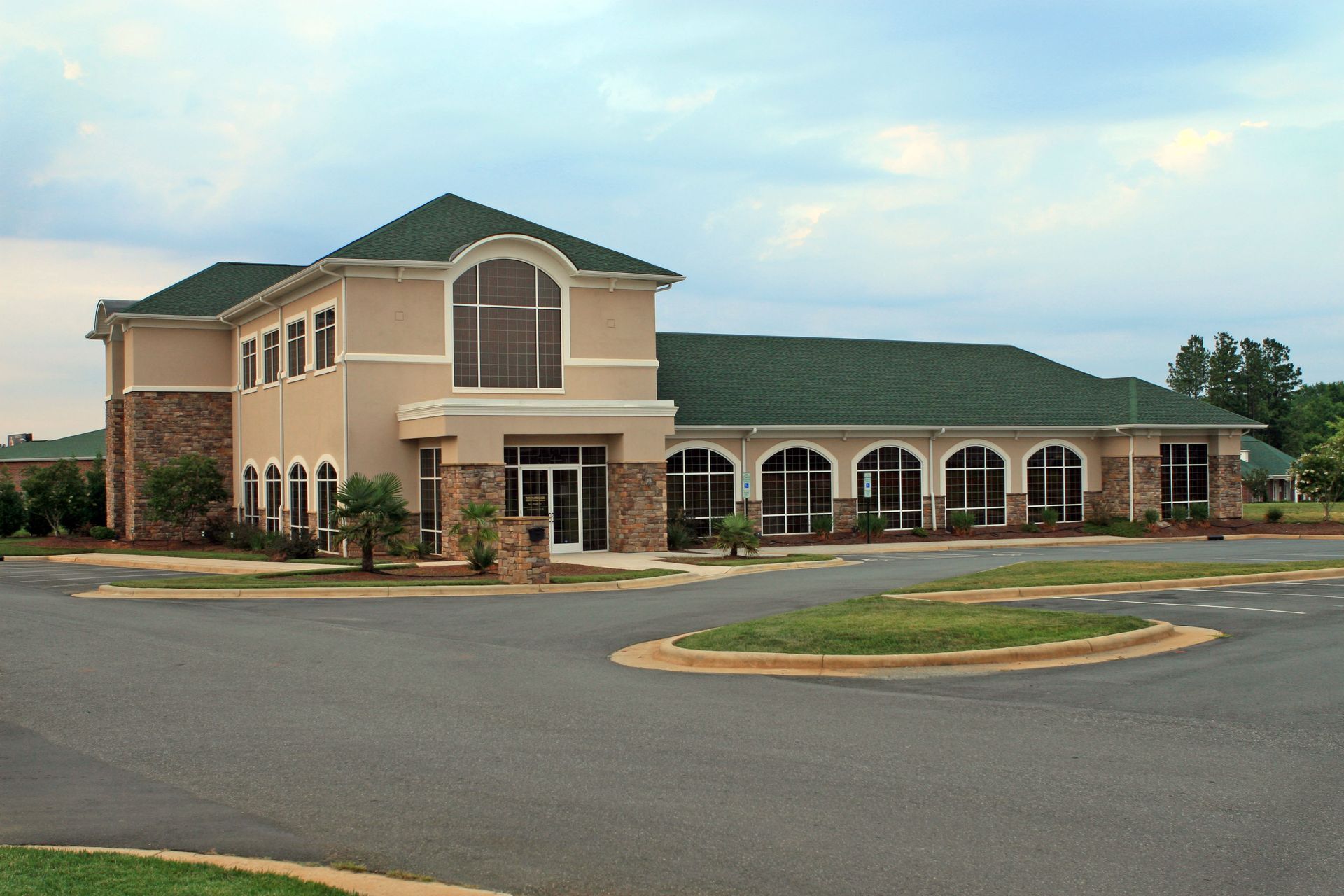
Enhance Curb Appeal and First Impressions
The exterior of a commercial property often shapes a visitor's first impression before they enter the building. Parking lots with visible cracks, potholes, standing water, or worn pavement can make a business appear neglected. Even if the building itself is attractive, deteriorating pavement may suggest that other areas of the property have not received sufficient maintenance. For businesses that welcome customers, clients, and partners, this perception can influence how people view the organization and its facilities.
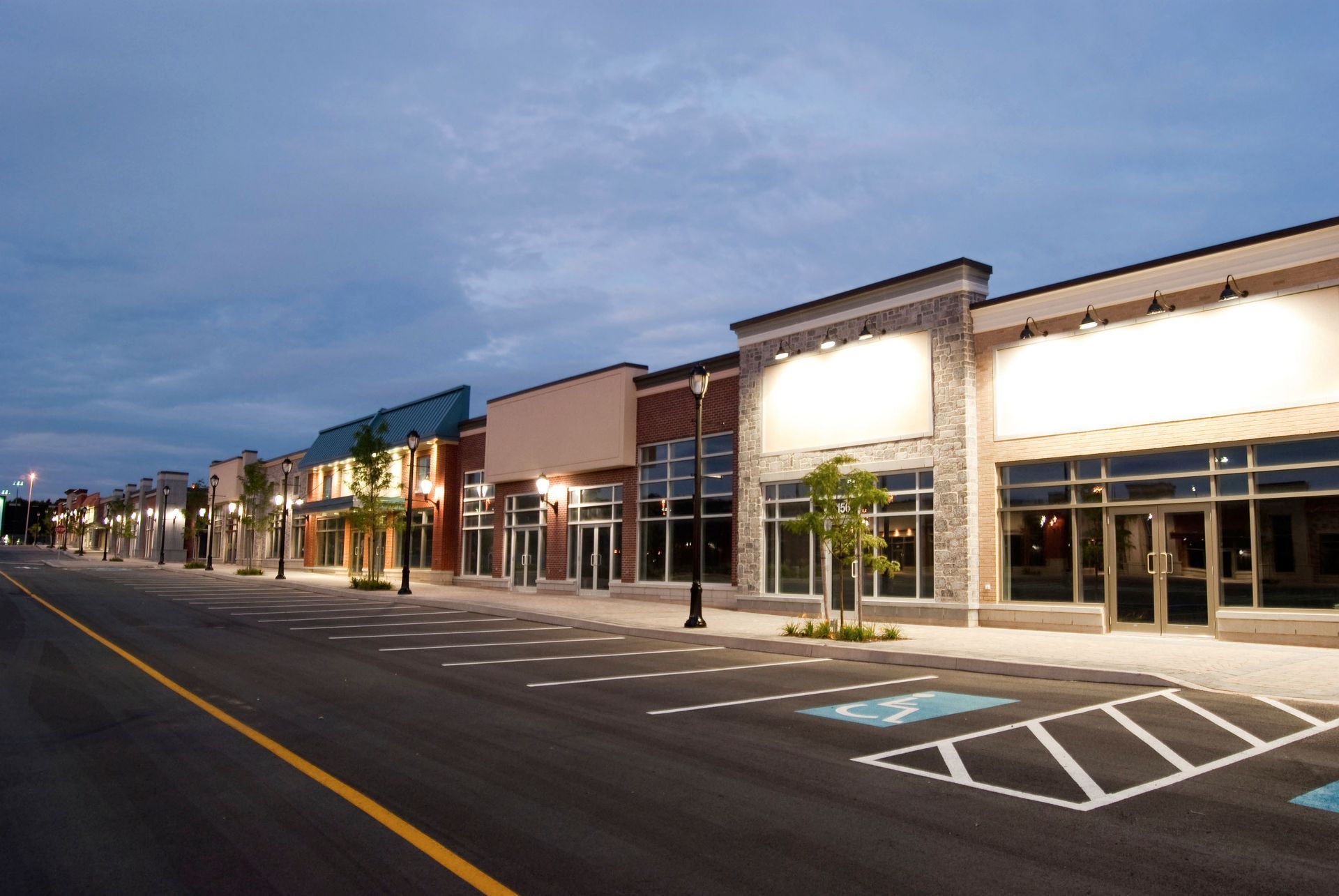
Professional commercial paving can create a cleaner, more consistent appearance across parking areas, entrances, and driveways. Fresh asphalt or concrete, clearly defined parking spaces, and neat transitions between paved surfaces can give a property a more organized look. These improvements can help businesses present a professional image while making the surrounding grounds more inviting.
Curb appeal can also matter when a property owner plans to sell or lease a commercial space. Prospective buyers and tenants may evaluate the exterior condition alongside the building's features and location. Well-maintained pavement demonstrates attention to the property's overall upkeep and can make the space more appealing during tours and inspections. Although paving alone cannot guarantee a higher selling price, it can contribute to a positive impression that supports the property's marketability.
Improve Safety and Accessibility
The condition of paved surfaces can affect how safely people move around a commercial property. Potholes, uneven pavement, loose materials, and crumbling edges may create tripping hazards for pedestrians and potential damage risks for vehicles. Poorly maintained parking areas can also make it difficult for drivers to navigate the property, particularly when traffic is heavy or visibility is limited.
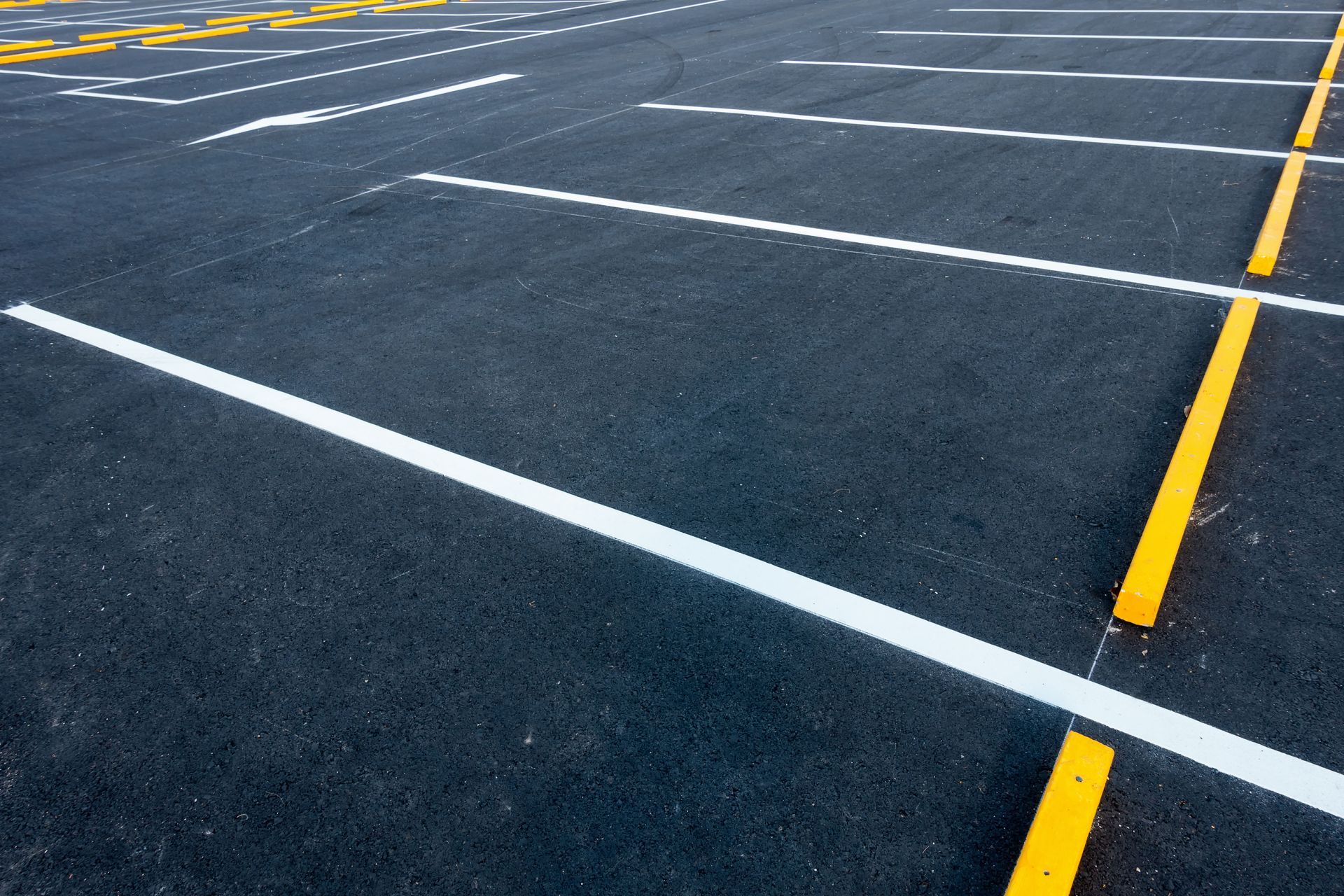
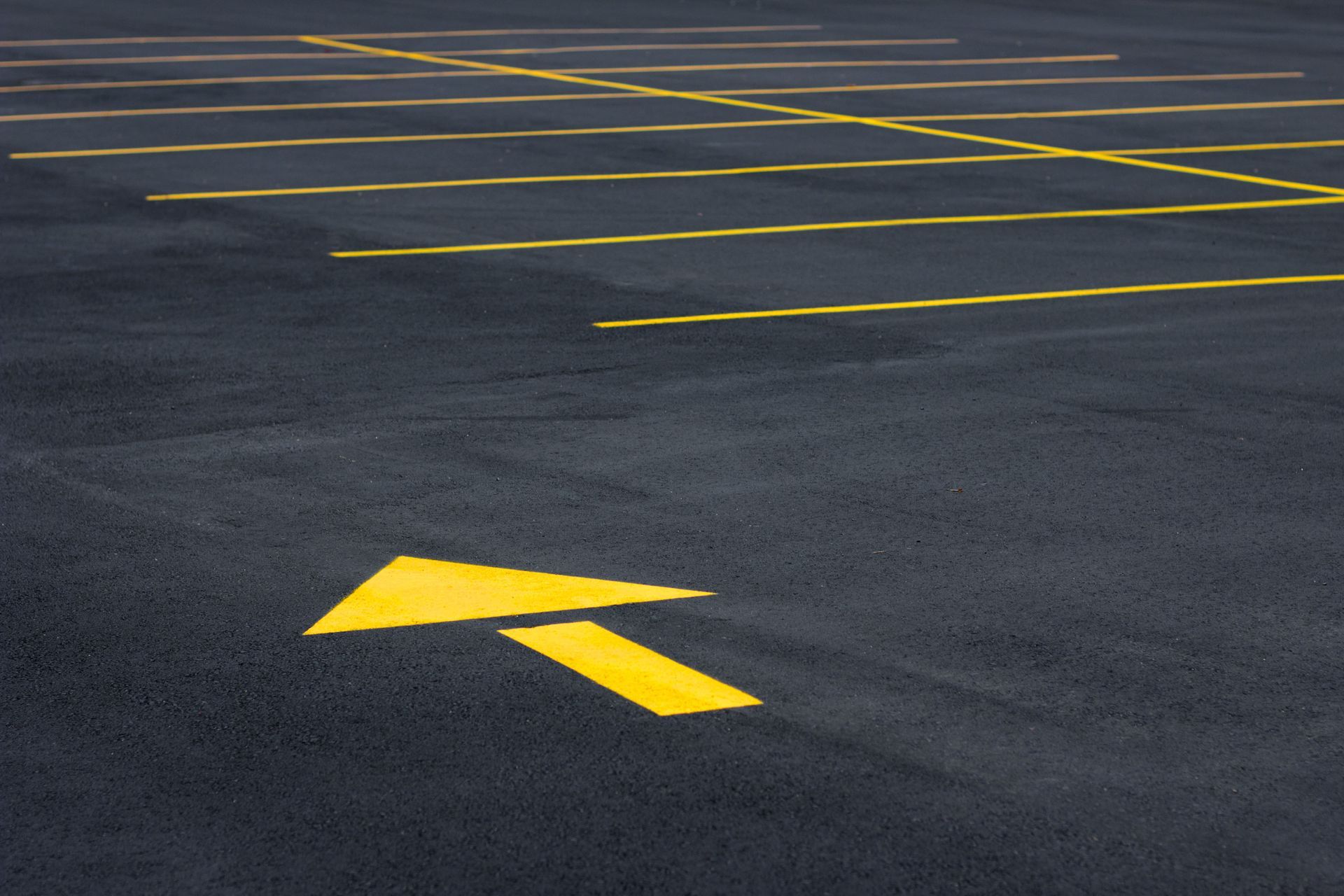
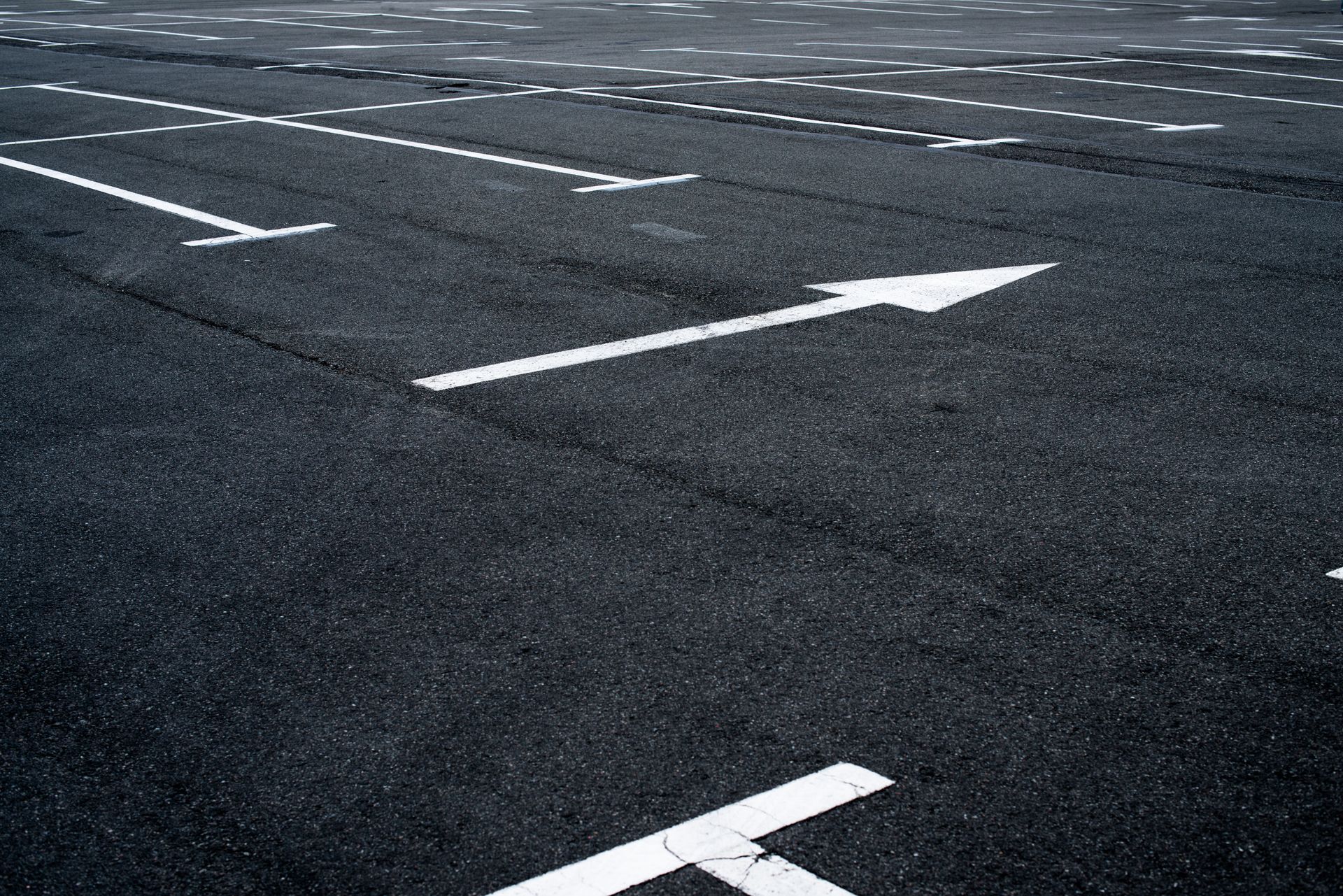
Investing in commercial paving helps property owners address these issues before they become more serious. Repairing damaged areas, resurfacing worn pavement, and correcting drainage problems can create smoother, more predictable travel surfaces. Clearly marked parking spaces, directional arrows, pedestrian crossings, and accessible routes can further improve how people navigate the property. These features are especially important for retail centers, medical facilities, office buildings, and other locations that receive regular visitors.
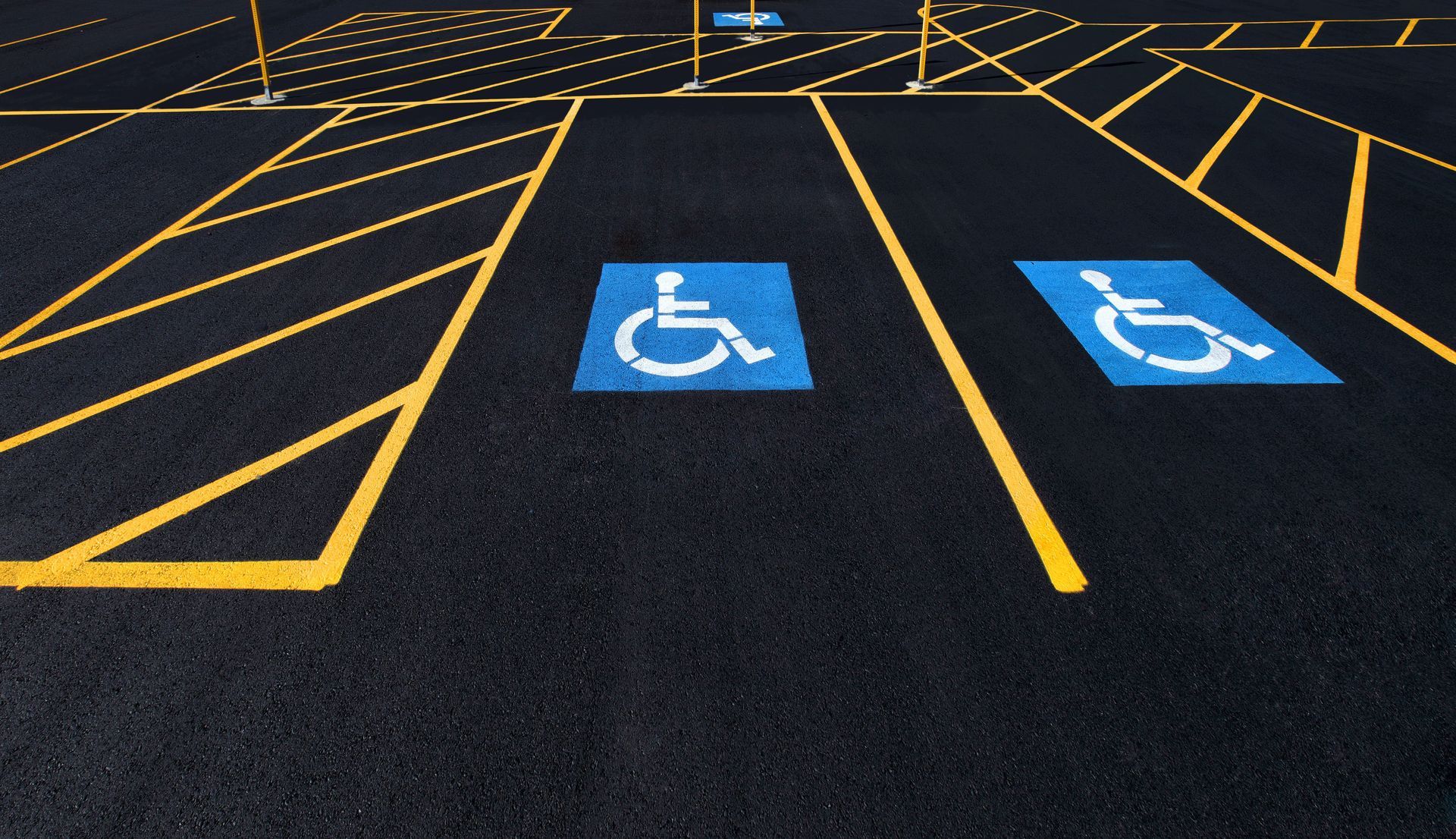
Accessibility is another important consideration. Commercial properties must account for applicable accessibility requirements, including accessible parking spaces and routes where required. Well-planned paving improvements can help owners maintain these features and identify areas that may need attention. Better accessibility can make a property more usable for a wider range of visitors, employees, and tenants.
When buyers or tenants evaluate a commercial space, safe and accessible outdoor areas can be a meaningful advantage. Addressing pavement problems also allows property owners to take a proactive approach to maintenance rather than waiting for deteriorating conditions to interfere with daily operations.
Reduce Long-Term Maintenance Costs
Pavement naturally experiences wear from vehicle traffic, weather exposure, temperature changes, and moisture. Without regular maintenance, small cracks can expand, water can penetrate the pavement structure, and minor surface defects can develop into larger areas of damage. When these problems spread, repairs may become more extensive and expensive.
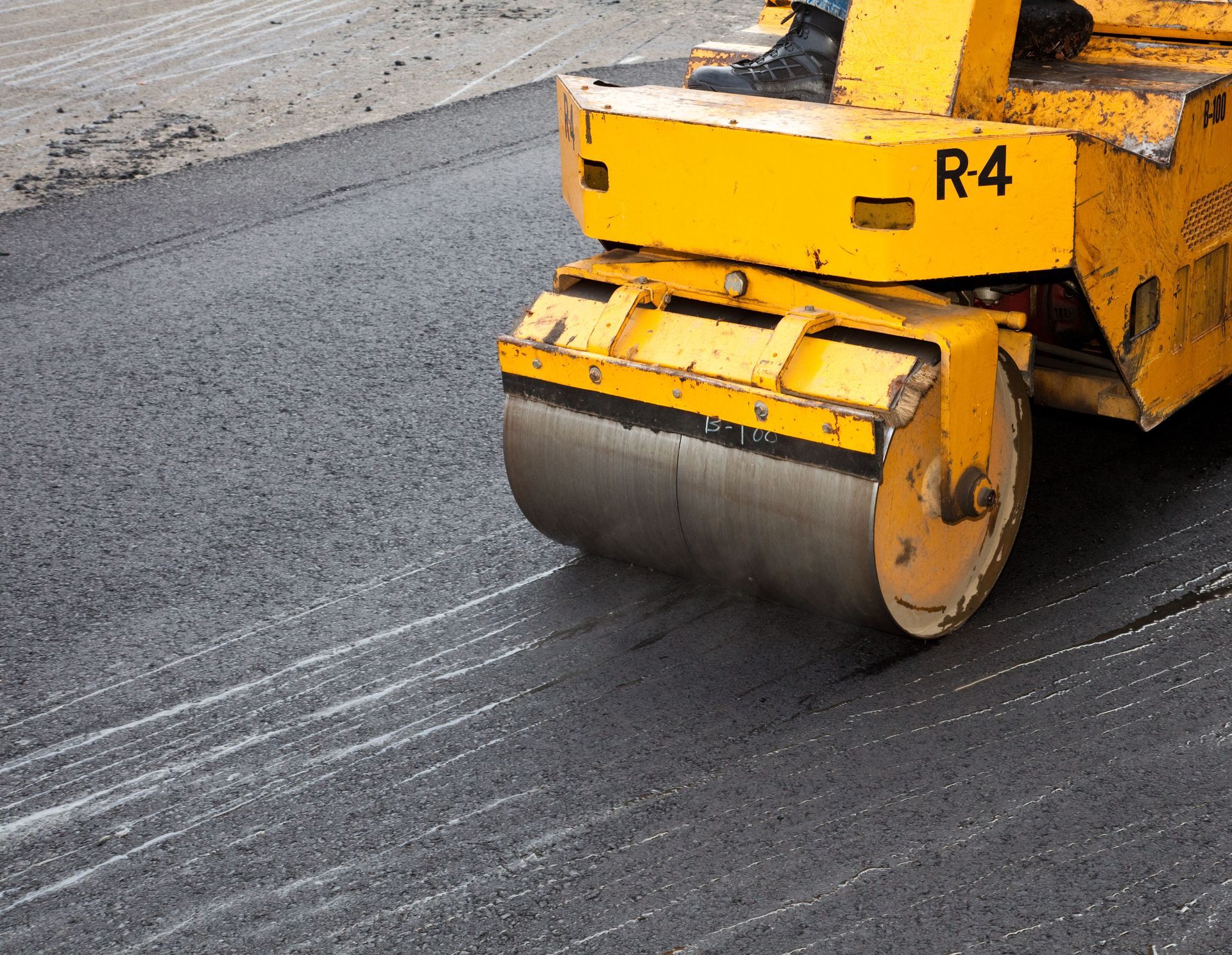
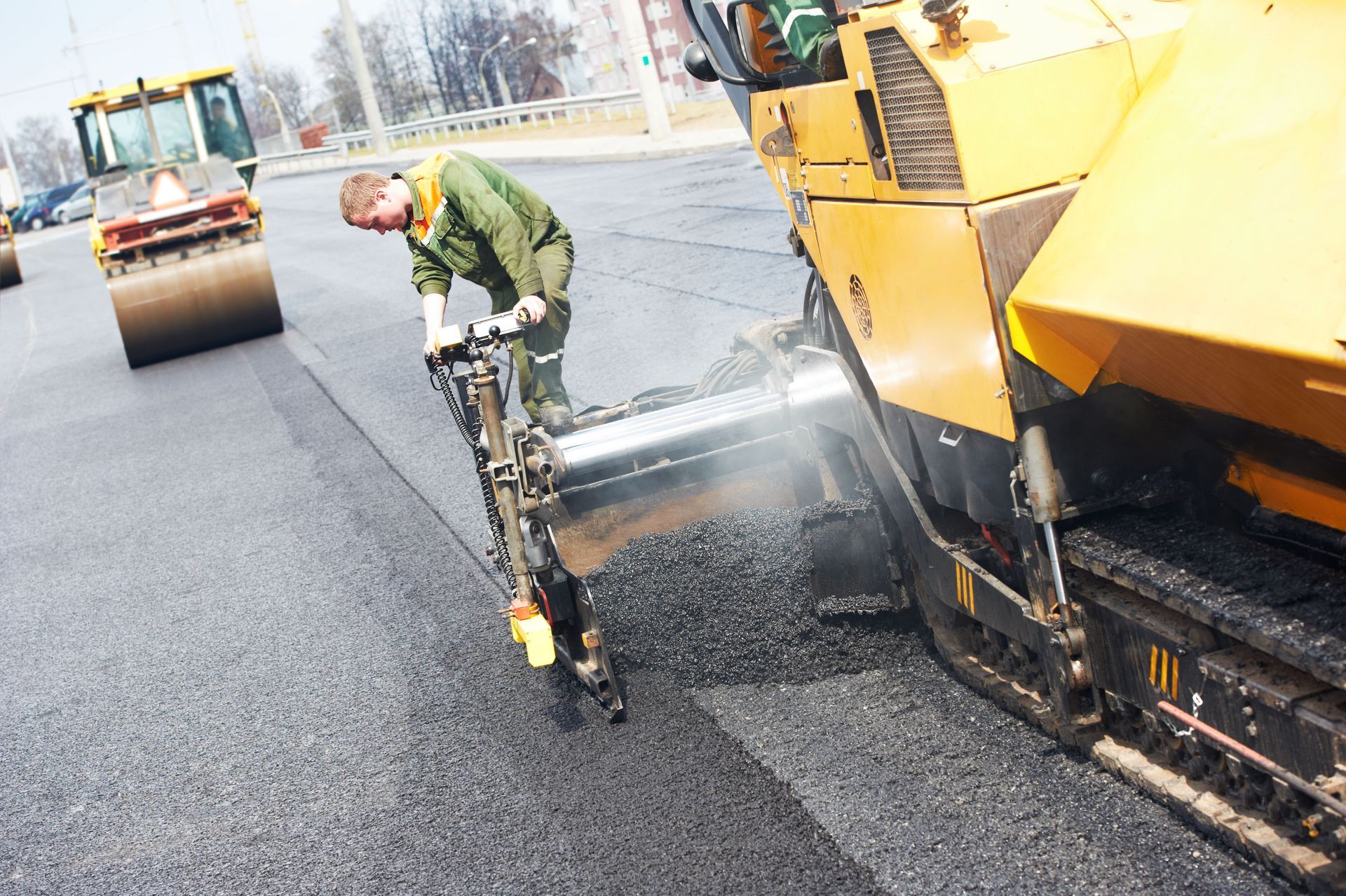
Commercial paving improvements can help property owners manage these costs over time. Depending on the pavement's condition, a contractor may recommend crack sealing, patching, resurfacing, or complete replacement. Addressing the underlying problem with an appropriate solution can help prevent recurring damage and extend the useful life of the paved area.
According to This Old House, asphalt paving can endure weather that raises its surface temperature up to 150 degrees Fahrenheit. This highlights the intense heat asphalt may experience during hot weather. However, pavement must also withstand changing temperatures, precipitation, and regular vehicle use. Selecting suitable materials and maintaining the surface can help property owners prepare for these conditions and reduce avoidable deterioration.
A well-planned maintenance strategy can also make budgeting easier. Rather than facing unexpected repairs across a large parking lot, owners can identify problem areas and schedule work based on the property's needs. Lower maintenance demands and fewer disruptive repairs may make a property more attractive to buyers who want to understand its future operating expenses. While paving requires an upfront investment, addressing problems early can help protect the property's condition and reduce the likelihood of larger repair bills.
Increase Appeal to Prospective Tenants
For commercial property owners, attracting and retaining tenants is an important part of maintaining property value. Businesses searching for a new location often consider more than rental rates and interior square footage. They may also evaluate parking availability, vehicle access, the appearance of the grounds, and how easily customers can reach the building. Poor pavement conditions can make a property less appealing, especially when competing spaces offer cleaner, better-maintained outdoor areas.
Commercial paving can help property owners create a more functional environment for different types of tenants. A retail center may benefit from clearly organized parking spaces and smooth driving lanes, while an office complex may need convenient entrances and designated pedestrian routes. Industrial facilities may require durable paved surfaces that accommodate delivery vehicles and regular equipment traffic. Tailoring paving improvements to the property's intended use can help make the space more practical for prospective occupants.
Improving these features may also support tenant satisfaction. When employees and customers can navigate parking areas comfortably, daily visits may become more convenient. Property owners who address pavement damage and maintain clear markings can demonstrate that they are attentive to the needs of their tenants.
Improve Drainage and Protect Property Infrastructure
Effective drainage is essential to maintaining the condition of commercial pavement. When water collects in parking lots, driveways, or access roads, it can weaken pavement materials and contribute to cracking, potholes, and surface deterioration. Standing water can also inconvenience visitors and create additional maintenance concerns. Over time, unresolved drainage issues may affect more than the paved surface itself.
Commercial paving projects provide an opportunity to address these concerns through appropriate grading, slope adjustments, and drainage improvements. A properly designed surface helps direct water toward suitable drainage areas rather than allowing it to pool in low spots. Depending on the property's layout, improvements may also involve coordinating pavement work with existing drains, curbs, and surrounding landscaping.
Protecting pavement from unnecessary water exposure can help extend its service life and reduce the need for repeated repairs. This is particularly valuable for larger properties with extensive parking areas or frequent vehicle traffic. Maintaining the paved surface can also help prevent deteriorating sections from interfering with access to buildings, loading zones, and other important areas.
Drainage improvements should be planned according to the property's existing conditions and applicable requirements. A qualified contractor can assess the surface, identify visible problem areas, and recommend suitable solutions. By incorporating drainage into a commercial paving project, owners can address an underlying cause of deterioration instead of focusing exclusively on cosmetic repairs.
Commercial paving can contribute to property value by improving curb appeal, supporting safety and accessibility, reducing maintenance concerns, and making a space more attractive to prospective tenants and buyers. Well-maintained pavement also helps protect the property from preventable deterioration and supports the everyday needs of employees, customers, and visitors.
By evaluating existing pavement and planning appropriate upgrades, commercial property owners can make informed decisions about their investments. Contact Alto Construction to explore paving solutions that can help improve your property's appearance, functionality, and long-term value.
Share On: